Medical Device Translation in Europe: What Manufacturers Need to Know
Instructions for use, labelling, device software and patient-facing content under the EU MDR — scope, workflow, revision control and the mistakes that cost artwork cycles.
By Ilaria Menchini — Founder & CEO, Verbavox Group
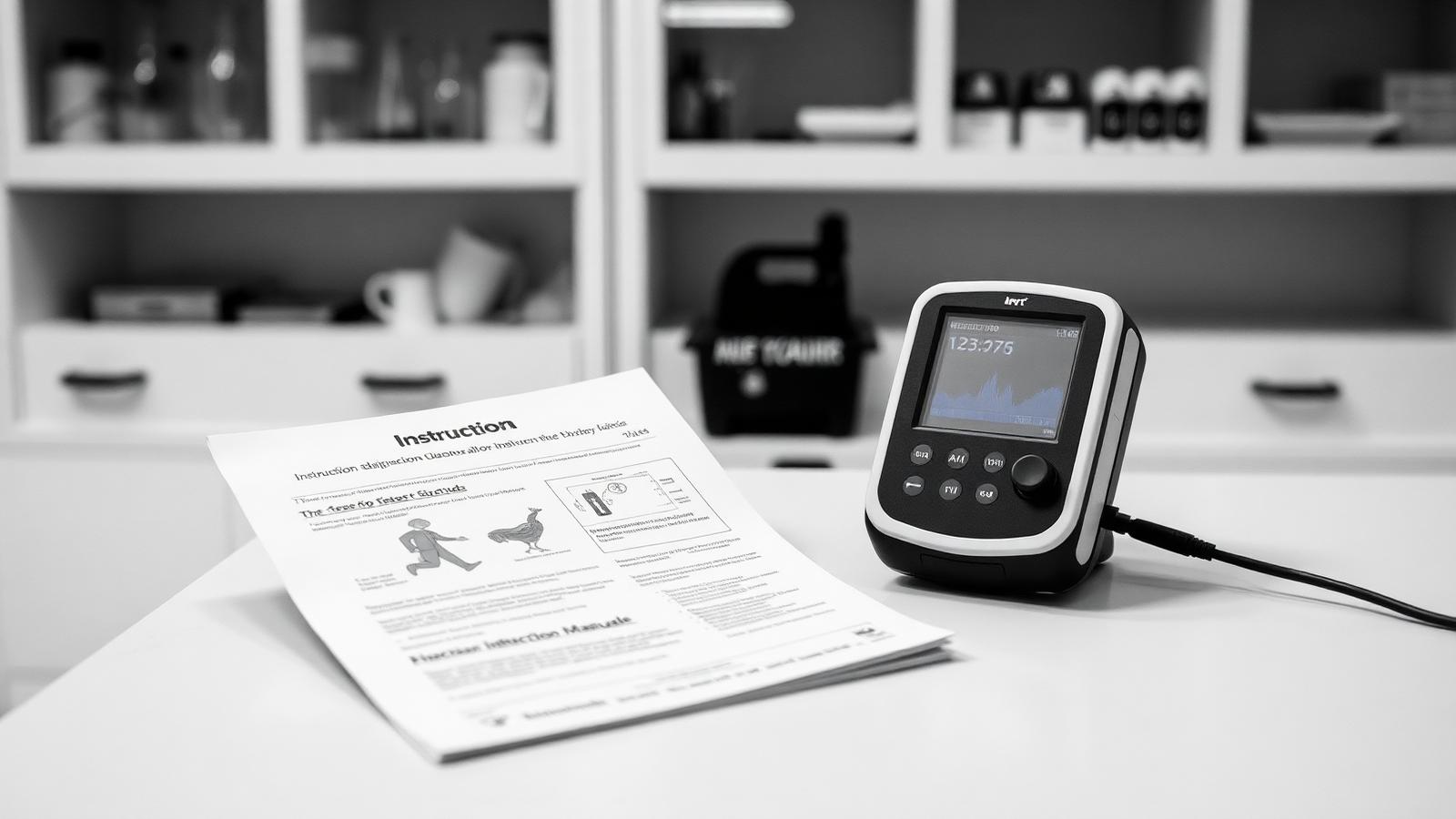
Medical device translation is one of the few areas of the language industry where the specification is written down for you. The European framework tells manufacturers what information must accompany a device and in which language it must be provided — and national authorities decide what that means in practice on their territory.
That makes the linguistic work unusually structured, and unusually unforgiving.
Quick answer
For devices placed on the EU market, Regulation (EU) 2017/745 on medical devices requires that the information supplied with the device — including labelling and instructions for use — be provided in a language determined by the Member State where the device is made available. In practice this means manufacturers selling across the EU manage a multilingual documentation set, kept in sync with the technical documentation, and language requirements are confirmed country by country. The regulation text is public and worth consulting directly on EUR-Lex.
What has to be translated
The scope is broader than the leaflet in the box. A typical device documentation set includes:
- Labelling and packaging text
- Instructions for use, in print or electronic form
- Implant cards and patient-facing information where applicable
- Software user interfaces and on-device text, where the device includes software
- Summary of safety and clinical performance for the relevant device classes
- Marketing and training material, which is not regulated in the same way but must not contradict the approved content
The final point causes more trouble than it should. Brochures written by a local distributor frequently describe indications, benefits or performance in terms that the approved documentation does not support. Reviewing commercial material against the approved wording is part of the job.
Why this content behaves differently from other technical translation
Three characteristics change the workflow.
Terminology is externally defined. Device nomenclature, clinical terms and standardised phrases come from sources outside your company. Consistency is checked against those sources, not against internal preference.
Audience shifts within one document. Instructions for use may address a surgeon on one page and a patient on the next. Readability for patient-facing sections is a real requirement, not a stylistic preference, and it is where literal translation most often fails: a sentence can be technically accurate and still unusable by the person holding the device.
Content is versioned. Devices are updated, documentation is revised, and every revision propagates across every language. Without translation memory and disciplined version control, the twelfth language update is where inconsistencies enter.
A workflow that holds up
- Source content is finalised and frozen before translation begins, with changes handled as controlled revisions rather than emails
- Translators are specialists in the device area, working with a client-approved glossary and reference documents
- A second qualified linguist revises the translation against the source
- Terminology is verified against the client's approved term base and the standard sources for the device type
- Patient-facing sections receive a readability check appropriate to the audience
- The client's local affiliate or regulatory contact performs in-country review where that process exists
- Layout is checked after formatting, because text expansion breaks labels and diagram callouts before it breaks paragraphs
We do not perform regulatory approval or clinical review, and we do not describe a translation as medically reviewed unless a qualified reviewer on the client side has genuinely performed that step. What we do is deliver linguistically accurate, terminologically controlled documentation that your regulatory process can review and sign off.
Common mistakes
- Starting translation before the source is stable, then paying for the same content three times
- Treating the software interface of a device as a separate, unmanaged project
- Allowing distributors to produce local marketing copy with no linguistic link to the approved documentation
- Ignoring text expansion until artwork is already at the printer
- Losing the translation memory when changing vendors, and with it the consistency of every previous revision
Expert insight
The most valuable thing a manufacturer can hand a language partner at the start of a device project is not the file — it is the reference set: previously approved translations, the term base, the artwork templates and the name of the person who signs off in each market. Projects that begin with those four things rarely produce surprises. Projects that begin with a ZIP file and a deadline usually do.
FAQ
Which languages do we need? That is determined by the Member States where the device is made available. Manufacturers confirm the requirement per market; the practical consequence is that most EU-wide launches involve a large, tightly synchronised language set.
Can machine translation be used? For regulated device documentation, no — the content carries safety and compliance consequences and belongs with qualified human specialists. Machine translation may have a place in internal, non-regulated reference material.
Is medical device translation the same as pharmaceutical translation? They overlap in rigour but differ in content type and process. Device work centres on instructions for use, labelling and software; pharmaceutical work centres on regulatory dossiers, product information and clinical documentation. See pharmaceutical translation for that side.
Next step
Our medical translation services cover instructions for use, labelling, patient-facing content and device software, with terminology control and revision by a second qualified linguist. If you are preparing a launch across several EU markets, tell us the device class and the countries and we will map the language scope with you.
Related reading: Translation for the Life Sciences Industry and Why Medical Translation Requires Real Expertise.
Translator and interpreter, ISIT and Sorbonne graduate, working between English, Italian and French.
Need a translation that sounds local?
Tell us about your project — we'll get back within one business day.