Cosmetics Translation: Packaging, Claims, E-commerce and Marketing
Three content layers, three approaches: exact label text, constrained claims, and marketing that has to be rebuilt. How beauty brands keep all three consistent across markets.
By Ilaria Menchini — Founder & CEO, Verbavox Group
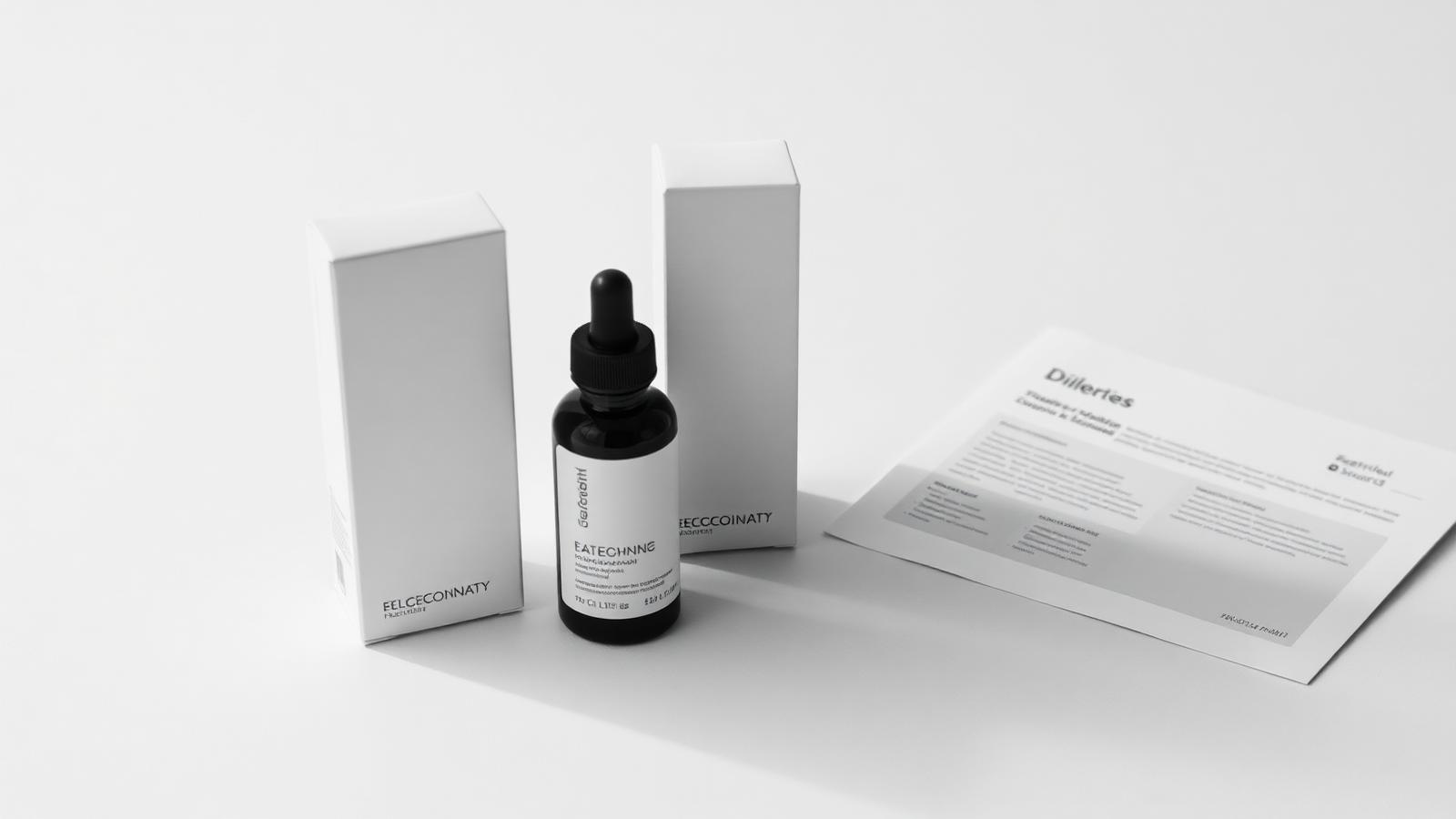
A cosmetics product carries two kinds of text that behave in completely opposite ways. One is regulated, precise and must not be improved. The other is emotional, competitive and dies if translated literally. Both usually arrive in the same file, with the same deadline.
Understanding which is which is most of the craft.
Quick answer
Cosmetics translation covers three distinct content layers: mandatory label information governed by Regulation (EC) No 1223/2009 on cosmetic products, product claims that must be substantiated and comply with the common criteria set out in Regulation (EU) No 655/2013, and marketing content where the objective is persuasion rather than equivalence. Label information is translated with exactness; claims are adapted within regulatory limits; marketing is usually transcreated. The regulation texts are available on EUR-Lex.
Layer one: the label
Label content includes elements such as the function of the product, precautions for use and the ingredient list. Under the cosmetics regulation, certain information must appear in the language determined by the Member State where the product is made available on the market — with the ingredient list given using INCI nomenclature, which is not translated.
The practical rules that follow:
- INCI names stay as they are, in every language
- Warnings and precautions are rendered exactly, never paraphrased for elegance
- Approved standard wording, where the client has it, takes precedence over the translator's preference
- Space on the pack is finite, and target-language expansion is a design constraint from the first draft, not a surprise at artwork stage
Layer two: claims
Claims are the commercially interesting sentences: reduces the appearance of fine lines, 24-hour hydration, suitable for sensitive skin. They sit between marketing and compliance, and they are the reason cosmetics translation cannot be handed to a generalist.
A claim in the target language must be supported by the same evidence as the source and must respect the common criteria that apply to cosmetic product claims. Translators working on this content need to know that intensifying a claim — turning helps reduce into reduces, or appearance of into a statement about the skin itself — is not a stylistic upgrade. It changes what the brand is asserting.
The workable model is a claims glossary: an approved, market-by-market list of how each claim may be expressed, built once with the client's regulatory contact and reused across every launch. It is faster than reviewing the same sentence from scratch four times a year, and it makes local review a check rather than a rewrite.
Layer three: marketing and e-commerce
Here the constraint reverses. A campaign line, a product story or a category page has to work as persuasion in the target market, and word-level fidelity is beside the point.
Beauty language is also strongly market-specific. Sensory and texture vocabulary, references to skin tone and skin type, the register of luxury versus efficacy, the balance between scientific and emotional framing — these differ enough between, say, Italian, French and English that a literal rendering reads as translated even when it is technically correct.
E-commerce adds a third requirement: product pages must be findable. That means local keyword research on how buyers actually search for the category, not the translation of the English term, and it means product titles and attributes written for the marketplace as well as the brand. That work sits with e-commerce translation and multilingual SEO.
How the three layers fit one project
| Content | Approach | Reviewed by |
|---|---|---|
| Mandatory label information | Exact translation, approved wording | Client regulatory contact |
| Claims | Constrained adaptation within the claims glossary | Regulatory plus marketing |
| Packaging copy and product stories | Adaptation with brand voice guide | Local marketing |
| Campaigns and taglines | Transcreation from brief | Brand and local marketing |
| E-commerce pages and marketplace listings | Localization with keyword research | Marketing and e-commerce |
Running them as one undifferentiated job is how brands end up with poetic warnings and flat campaign lines.
Common mistakes
- Letting the same linguist handle regulated text and creative copy with no brief distinguishing them
- Translating INCI ingredient names
- Strengthening a claim because the target language phrasing sounded weak
- Localizing the pack and forgetting the marketplace listings, where most search demand sits
- Skipping the layout check, then discovering the German warning does not fit the tube
Expert insight
In beauty projects, the fastest quality gain almost never comes from changing translators — it comes from giving them a brand voice guide and a claims list on day one. Beauty brands tend to have strong internal consensus about how they sound, and almost never have it written down in the target language. Half a day spent documenting it removes months of round-trip corrections, and it survives staff changes on both sides.
FAQ
Which languages does a cosmetics launch need? It depends on the markets where the product is made available; language requirements for consumer information are determined at Member State level. Most European launches involve a substantial language set managed as one artwork cycle.
Can product descriptions be machine-translated for e-commerce? For large catalogues, machine translation with professional post-editing can be viable for descriptive attributes. Claims and hero copy should not be handled that way, and neither should anything that carries regulatory weight.
Is transcreation always necessary? No. It belongs to campaign and brand-level content. Applying it to a full catalogue is expensive and unnecessary.
Next step
Our cosmetics translation services cover packaging, claims, product content and beauty marketing, with the regulated and creative layers handled as separate workstreams. For campaign work see transcreation, and send us the launch scope for a structured quote.
Related reading: Marketing Localization vs Transcreation and Cultural Adaptation in Food Marketing.
Translator and interpreter, ISIT and Sorbonne graduate, working between English, Italian and French.
Need a translation that sounds local?
Tell us about your project — we'll get back within one business day.